
The right approach is to treat custom manufacturing in China as a process of specification, verification, and fit, not just price shopping. For importers, brand owners, and product teams comparing custom products China options, the best starting point is a clear product brief, realistic quality expectations, and a shortlist of factories that can actually make your category well. From there, the practical next move is to validate capability with samples and communication before discussing scale.
Before approving custom items in China, compare supplier identity, production capability, payment timing, and defect-handling rules. For customized products from China, the safest starting point is a written specification, a sample standard, and a clear inspection trigger.
After getting familiar with how custom manufacturing works in China, it helps to narrow the choices that shape cost, lead time, and risk. For buyers comparing custom products China options, the biggest variables are how much you want to change, how many units you need, and which product categories fit factory capabilities.
Before approving customized products, compare supplier identity, production capability, payment timing, and defect-handling rules.
Logo customization is usually the simpler path. In practice, it often means adding your brand to an existing item through printing, engraving, embroidery, packaging changes, or small color adjustments. This approach is common when buyers want faster sampling, lower development risk, and a clearer path with a custom products China supplier that already makes similar products.
Full product design is a different commitment. It can involve new dimensions, materials, tooling, components, or unique functional features. That creates more control over the final product, but it also adds more back-and-forth on drawings, prototypes, testing, and production details. If you are seeking reliable custom products China for a private label launch, start by deciding whether differentiation really requires a new design or whether strong branding on a proven product will meet your goals.
Minimum order quantities, or MOQs, affect almost every sourcing decision. Factories often prefer larger runs because setup time, material purchasing, and production scheduling become more efficient at scale. For buyers, that means the cheapest unit price is not always the cheapest project overall, especially if you end up holding slow-moving inventory.
A practical budget should cover more than the product itself. Include sampling, packaging, revisions, freight, import-related costs, and a buffer for quality checks or rework. If the MOQ feels too high, ask about stock-based customization, mixed variants, or phased orders. A product sourcing company can sometimes help identify factories that better match your volume, which is often more useful than pushing the wrong supplier to accept a low starting quantity.
Some categories are especially well suited to China product sourcing because factory clusters, component access, and customization experience are already well developed. Common examples include promotional items, bags, apparel, drinkware, home goods, simple electronics accessories, and packaging-heavy private label products. These categories often offer flexible branding options and broad supplier choice.
That said, not every item belongs in the same sourcing strategy. Products with strict safety, performance, or certification demands usually need closer specification control and tighter vetting. Trusted custom products China decisions come from matching the product type to the right factory, not just choosing the lowest quote. When evaluating China custom products China opportunities, focus on factories with proven experience in your exact category and a process that supports clear revisions, sample approval, and repeatable quality.
After narrowing your customization route, MOQ range, and product category, the platform you use starts shaping supplier quality and communication speed. For buyers comparing custom products China options, major marketplaces are useful research tools, but they work best when paired with clear specs, sample checks, and careful factory screening.
For custom products made in China, the safest starting point is a written specification, a sample standard, and a clear inspection trigger.
Alibaba is often the first stop for product categories because it offers broad supplier reach across packaging, consumer goods, accessories, and private label items. Its main advantage is scale: you can compare factories, trading companies, customization claims, and response quality in one place. That said, the listing alone does not confirm a reliable sample proof supplier. Buyers still need to review product categories, factory history, customization depth, and how clearly a seller answers technical questions.
For custom manufacturing, Alibaba works best when you send a structured inquiry. Ask for similar past projects, sampling terms, packaging options, lead time ranges, and quality control steps. If a supplier avoids direct answers or pushes generic catalog items when you need real customization, treat that as a warning sign. In practice, many importers use Alibaba as a starting point for China product sourcing, then narrow the shortlist through samples and direct verification.
Made-in-China.com is another established marketplace for buyers sourcing industrial, commercial, and promotional products directly from China. Compared with broader marketplaces, it can feel more manufacturing-focused in certain categories, which may help buyers looking beyond simple logo printing. For teams researching trusted order requirements partners, the platform is useful for comparing factory profiles, production capabilities, and category specialization without relying only on polished storefront language.
Its value is strongest when you already know your product requirements. You can filter by supplier type, review manufacturing-oriented descriptions, and compare how sellers present OEM or ODM support. Still, the same caution applies: marketplace visibility is not the same as factory fit. Use it to build a shortlist, then confirm tooling ability, material consistency, inspection standards, and communication reliability before committing. This is especially important when category evidence cost depends on repeatability, not just the first quote.
For branded giveaways, event merchandise, and marketing-driven items, specialized platforms such as PapaChina can be more practical than starting on a massive marketplace. These platforms are usually built around promotional categories, so product discovery may feel faster if your project centers on pens, bags, drinkware, office items, or seasonal campaign products. That specialization can help buyers compare decoration methods, packaging choices, and order scenarios relevant to business promotion.
The tradeoff is that category convenience does not remove due diligence. A specification checks company may present a smooth buying experience, but you still need to confirm artwork handling, sample approval, material quality, and production consistency. If your order is large, technically specific, or tied to a launch deadline, some businesses also use a product sourcing agent or product sourcing company to validate suppliers across platforms. That extra layer can simplify sourcing when speed matters and reliable China-based production support results are more important than browsing volume alone.
After comparing marketplaces like Alibaba, Made-in-China.com, and niche promotional platforms, the real work begins: turning listings into a dependable shortlist. For buyers pursuing factory-side coordination offers, a structured sourcing process reduces surprises and makes quality control far more manageable.
Before approving custom products made in China, compare supplier identity, production capability, payment timing, and defect-handling rules.
Strong shortlisting starts with relevance, not volume. Focus on suppliers that clearly handle your product category, customization method, and order size rather than sending the same inquiry to dozens of factories. A manufacturing oversight supplier may look impressive on a marketplace, but you still need to confirm export experience, communication quality, production scope, and whether the factory actually makes the item or trades it.
Use a simple shortlist scorecard with criteria such as product fit, customization capability, responsiveness, documentation, and sample readiness. If your project is complex, a product sourcing agent or product sourcing company can help screen factories faster, especially when comparing reliable production quality support options across several regions and categories.
A useful quote request is detailed enough to expose gaps early. Share product dimensions, materials, logo method, packaging needs, target quantity, shipping destination, and any must-have compliance or testing expectations. When details are vague, quoted supplier coordination cost can look attractive at first but change later through setup fees, packaging revisions, or material substitutions.
Evaluate quotes side by side instead of choosing the lowest number. Check what is included, what is excluded, lead time assumptions, tooling requirements, payment terms, and revision limits. Trusted product categories partners usually answer clarifying questions directly and flag uncertainties instead of promising everything immediately. That transparency is often a better sign than a fast, overly broad quotation.
Samples are where sourcing moves from theory to evidence. Order pre-production samples that reflect your actual customization, not just a generic stock version. For China product sourcing, this step helps you assess print quality, color consistency, material feel, construction, packaging, and how well the supplier follows instructions.
Test samples against a written checklist so feedback stays objective. For example, review logo placement, measurement tolerances, finish quality, labeling, and transit durability. If problems appear, note whether the supplier fixes them accurately and on time. That response often tells you as much as the sample itself. For businesses seeking reliable sample proof in China, disciplined sampling is one of the clearest ways to separate capable factories from risky ones.
After comparing quotes and testing samples, you still need to confirm that the supplier behind those results can deliver consistently at scale. That is where careful vetting turns a promising lead into a workable partner for order requirements sourcing.
For custom made products, the safest starting point is a written specification, a sample standard, and a clear inspection trigger.
Factory verification should go beyond a polished profile page. Start by confirming the business license, registered company name, and whether the supplier is a trading company or an actual manufacturer. Ask for recent factory photos, production line videos, and a clear explanation of in-house versus outsourced steps. For reliable category evidence projects, it is also useful to request an organizational chart or basic production workflow so you can see who handles engineering, quality control, and shipping.
If the order matters strategically, arrange a third-party audit or on-site visit. A simple verification checklist can cover facilities, machinery, headcount, quality procedures, and export experience with similar products. This is especially important when product development and sourcing overlap, because a factory that can produce well is not always equipped to manage revisions, tooling changes, or packaging details.
Some warning signs appear before production starts. Be cautious if a supplier avoids direct answers about ownership, cannot match its documents to its bank account, or pushes for fast payment before confirming specifications. In trusted specification checks sourcing, transparency usually shows up in small details: consistent contact information, clear revision history, and realistic lead times.
Other red flags include sample quality that differs sharply from bulk promises, frequent staff handoffs, and vague claims about certifications or factory size. If a seller says yes to every request without discussing limits, materials, or tolerances, that can signal weak process control rather than flexibility. A dependable China-based production support company should be able to explain what it can do, what it cannot do, and where risks may affect timeline or factory-side coordination cost.
Miscommunication is one of the most common causes of quality problems in China manufacturing oversight projects. Keep specifications in one controlled document that includes materials, dimensions, color standards, print placement, packaging, labeling, testing needs, and acceptable tolerances. Add annotated images where possible. Clear visuals often reduce confusion more effectively than long email threads.
Use short, direct language and ask the supplier to restate key requirements in its own words. That simple step can reveal gaps before production begins. For a production quality support supplier handling ongoing development, set approval points for artwork, pre-production samples, and packaging confirmation. If your item is still evolving, a product development company or sourcing partner can help translate design intent into factory-ready requirements, which lowers the risk of preventable mistakes and supports more reliable supplier coordination outcomes.
Strong factory checks and clear specifications reduce sourcing risk, but they do not stop a good idea from being reused. If you want reliable product categories buyers can build with confidence, intellectual property protection needs to sit alongside quality control from the start.
Before approving custom made products, compare supplier identity, production capability, payment timing, and defect-handling rules.
An NDA can help, but only if it matches the sourcing reality. Many importers share drawings, packaging files, molds, and customer-facing branding early in the process. Before sending those materials to a sample proof supplier, use an agreement drafted for cross-border manufacturing, with clear definitions of confidential information, permitted use, ownership of tooling, and remedies for unauthorized disclosure or side selling.
In practice, buyers often need more than a basic NDA. A contract should also restrict the supplier from making your product for others, contacting your customers, or registering your brand assets first. For trusted order requirements projects, the value is not just legal wording. It is setting expectations before samples, revisions, and production begin.
If your product has a distinctive appearance or brand identity, registration in China may matter even if you sell mainly elsewhere. Manufacturing takes place there, and local registration can strengthen your position if a factory, trader, or third party copies your product design or brand during production. This is especially relevant for custom packaging, logo-bearing goods, and products with recognizable visual features.
Two areas deserve attention. First, trademarks can protect your brand name, logo, and related marks used on products or packaging. Second, a design patent may help protect the ornamental look of a product, depending on the item and how novel the design is. Because filing strategy depends on your product category and timing, many buyers use qualified legal counsel rather than relying on a category evidence service or factory to handle it informally.
Registration helps, but contracts remain your day-to-day protection tool. Your manufacturing agreement should state that all designs, specifications, molds, packaging artwork, and product improvements belong to you unless otherwise agreed in writing. It should also prohibit subcontracting without approval, unauthorized overruns, and sales of excess inventory through other channels.
For China specification checks sourcing, practical contract terms often matter as much as broad legal concepts. Include approved materials, quality standards, inspection rights, confidentiality duties, penalties or damages where enforceable, and dispute-resolution terms reviewed by counsel. These safeguards support quality sourcing made simple because they reduce confusion, limit opportunistic behavior, and help preserve the commercial value of the product you worked to develop.
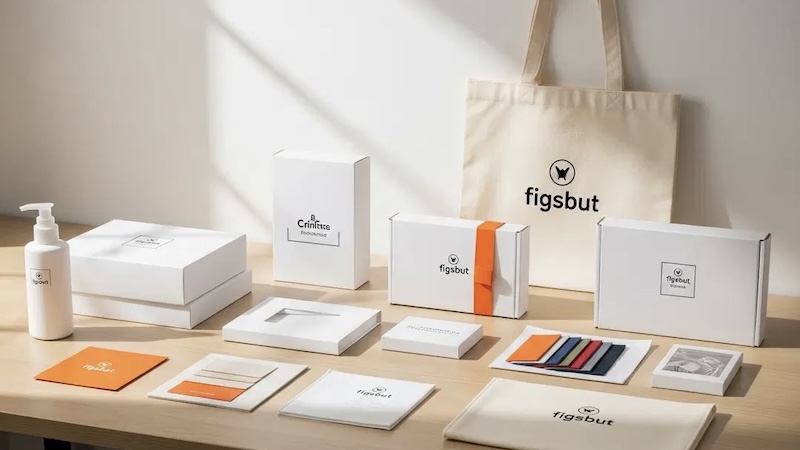
Introduction: The right approach is to treat custom manufacturing in China as a process of specification, verification
Introduction to Custom Products Manufacturing in China: A practical way to approach custom products manufacturing in China is to start with fit, not hype: define
Understanding Your Custom Product Options: After getting familiar with how custom manufacturing works in China, it helps to narrow the choices that
Logo Customization vs. Full Product Design: Logo customization is usually the simpler path.
Minimum Order Quantities and Budget Planning: Minimum order quantities, or MOQs, affect almost every sourcing decision.
Product Categories Best Suited for China Manufacturing: Some categories are especially well suited to China product sourcing because factory clusters, component
For custom items in China, the safest starting point is a written specification, a sample standard, and a clear inspection trigger.
Q1: What does China-based production support mean for importers?
Factory-side coordination refers to the process of working with Chinese manufacturers to produce goods built to your specific design, materials, dimensions, branding, or functionality requirements. Rather than buying off-the-shelf inventory, you collaborate with a factory to create products that match your exact brief. This approach gives brand owners and product teams greater control over differentiation, quality standards, and packaging, making it a preferred route for businesses building private label or proprietary product lines.
Q2: How do I find a reliable factory for custom products in China?
Start by identifying factories with verified experience in your specific product category. Use platforms like Alibaba, Global Sources, or trade shows like Canton Fair as starting points, then vet shortlisted suppliers through background checks, factory audits, and reference requests. Review production samples carefully before committing. Working with a sourcing agent or third-party inspection company can significantly reduce the risk of partnering with an unreliable manufacturer.
Q3: What should I include in a product brief for Chinese manufacturers?
A strong product brief should include detailed technical specifications such as dimensions, materials, colors, and tolerances. Include reference samples or CAD drawings where possible, along with packaging requirements, labeling standards, compliance certifications needed, and target unit cost. The clearer your documentation, the more accurately factories can quote and produce to your expectations. Vague briefs are one of the most common causes of quality issues and costly revisions during custom manufacturing.
Q4: What is the typical minimum order quantity (MOQ) for custom products in China?
MOQs vary widely depending on the product category, materials involved, and factory size. For simple custom products, MOQs can range from 100 to 500 units. More complex or tooling-heavy products often require 1,000 units or more. Some factories negotiate lower MOQs for new clients willing to pay higher per-unit costs. Always discuss MOQ early in negotiations to ensure the factory's requirements align with your business model and budget.
Q5: How long does it take to produce custom products in China?
Lead times depend on product complexity, tooling requirements, and factory capacity. A simple custom product with existing tooling might take 20 to 35 days after sample approval. Products requiring new molds or significant engineering can take 60 to 90 days or longer. Add shipping time on top of production, typically 15 to 30 days for sea freight. Always build buffer time into your planning to account for revisions, holidays, and unexpected delays.
Q6: How is quality controlled when manufacturing custom products in China?
Effective quality control involves multiple checkpoints throughout production. Key methods include pre-production meetings to confirm specifications, in-process inspections during manufacturing, and pre-shipment inspections before goods leave the factory. Many importers hire independent third-party inspection companies to conduct unbiased checks against agreed quality criteria. Establishing a written quality agreement with your factory, including acceptable defect rates and testing standards, is essential for consistent results.
Q7: What are the most common challenges with manufacturing oversight sourcing?
Common challenges include miscommunication due to language barriers, factories substituting cheaper materials after samples are approved, inconsistent quality between sample and bulk production, unexpected cost increases, and intellectual property concerns. These risks are significantly reduced by thorough documentation, clear contracts, regular factory communication, independent quality inspections, and working with suppliers who have a proven track record in your product category.
Q8: Can I protect my product design when manufacturing custom products in China?
Yes, but it requires proactive steps. Register your trademarks, patents, and designs in China before sharing detailed specifications with factories. Use non-disclosure agreements (NDAs) and non-compete clauses in your supplier contracts. Avoid sharing full design files until a supplier relationship is established. Working with reputable, larger manufacturers with strong reputations also reduces risk. China's IP enforcement has improved, but prevention through legal registration remains the most effective protection strategy.
Q9: How do I handle product changes or revisions during custom manufacturing?
Define a clear revision process before production begins. Specify in writing how change requests will be submitted, reviewed, and approved, and how they may affect pricing and timelines. Most factories accommodate revisions during the sampling phase with minimal cost impact, but changes after bulk production begins can be expensive. Maintaining a single point of contact on both sides and documenting all communications helps avoid misunderstandings when adjustments are needed.
Q10: Is it cost-effective to source custom products from China compared to other countries?
China remains highly competitive for custom manufacturing due to its mature supplier ecosystem, wide material availability, skilled labor, and established logistics infrastructure. While labor costs have risen, China's advantages in tooling expertise, production scale, and supplier density often offset this. For many product categories, the combination of cost, capability, and turnaround time is difficult to match elsewhere. However, evaluating total landed cost, including shipping, duties, and quality control expenses, is essential for an accurate comparison.
If your goal is reliable supplier coordination, stay focused on a short set of decision criteria you can actually verify: clear product specifications, documented quality expectations, realistic lead times, protected branding assets, and written agreements that match what was discussed. That is how buyers move from uncertainty to trusted product categories relationships without adding unnecessary complexity. In that sense, quality sourcing made simple does not mean effortless. It means reducing ambiguity at each stage so sample proof in China becomes more predictable, manageable, and aligned with your business needs.
A practical next step is to narrow your project into a one-page sourcing brief before contacting any order requirements company or reviewing a category evidence service. Include your product requirements, target materials, packaging needs, acceptable defect standards, order range, and sample expectations. With that in hand, you can compare responses more consistently, ask sharper questions, and make a better-informed first decision on China specification checks options without overcommitting too early.
 English